|
Ozgur Kara About MeI am a 5th year Computer Science PhD student at the University of Illinois Urbana-Champaign (UIUC), advised by Prof. James M. Rehg. I am also fortunate to be mentored by Prof. David Forsyth. I am currently a Student Researcher at Google (Pixel Biometrics AI Research) with Du Tran, working on efficient tokenization in generative modeling. Last summer I interned at Google with Du Tran, Vincent Chu, Yujia Chen, and Ming-Hsuan Yang on generative video composition, and in Summer 2024 at Adobe with Tobias Hinz, Krishna Kumar Singh, Feng Liu, and Duygu Ceylan on multi-shot video generation. My research asks what stands between modern vision generative models and everyday use: can we control them, can we use them safely, and can we afford them? I treat these as one question asked three ways: how a generative model represents the visual world, and how that choice of representation determines how efficiently, and how safely, we can control it.
I am in the final year of my PhD (expected graduation in March/April 2027). If my profile is of interest for a research
position, please reach out at ozgurrkara99@gmail.com.
!!! Always looking for motivated students to work with — if you're interested in research on generative modeling, or want to come with your own proposal, feel free to reach out! |
Email /
Google Scholar /
GitHub /
LinkedIn /
Twitter Health Care Engineering Systems Center 1206 W Clark St. UIUC Urbana, IL, USA, 61801 |
Research Statement
My research asks what stands between modern vision generative models and everyday use: can we control them, can we use them safely, and can we afford them? I treat these as one question asked three ways: how a generative model represents the visual world, and how that choice of representation determines how efficiently, and how safely, we can control it.
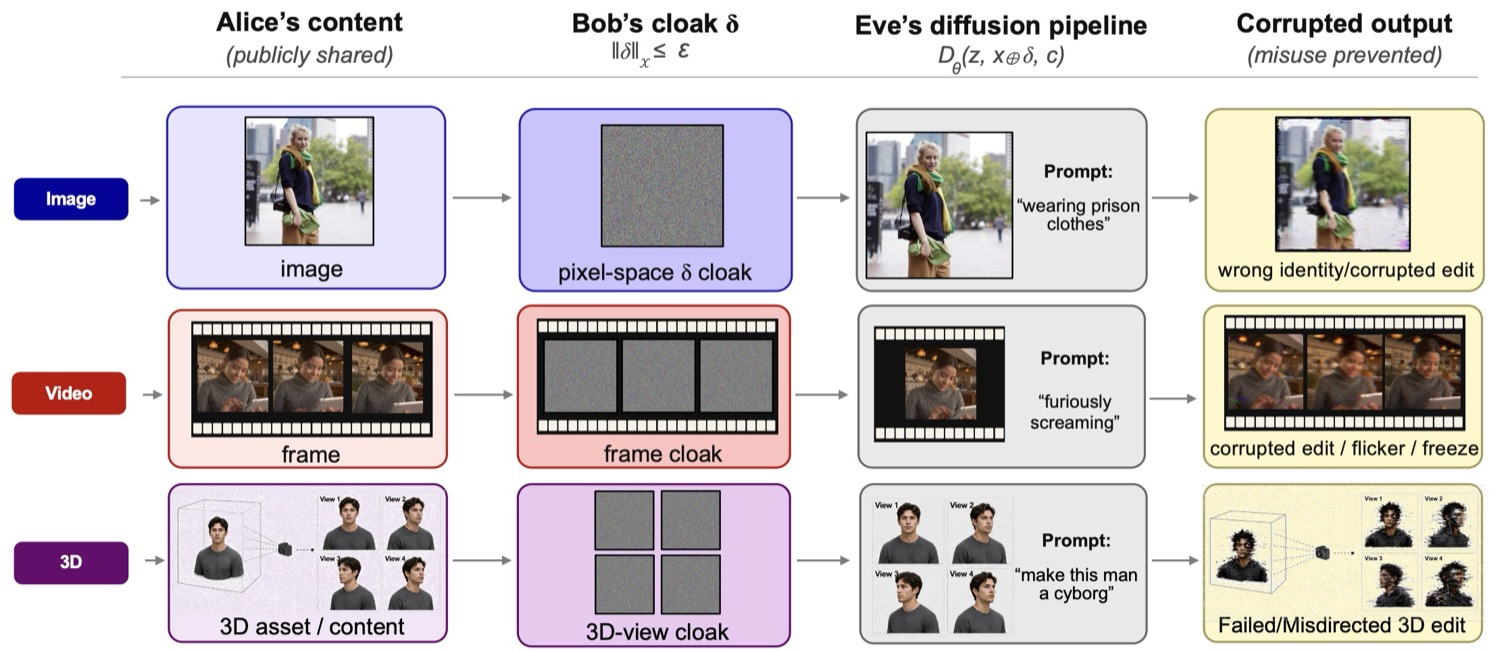
My work so far has explored the right unit of generation for controlling video: a pixel, a token, a layer, or a shot? Treating frames jointly gave consistent editing from an image prior (RAVE); making the shot a first-class unit gave multi-shot generation with per-shot control (ShotAdapter); decomposing video into layers gave controllable composition without annotated data (Split-then-Merge). Modern generative models can also learn how humans perceive: modeling eye-tracking data generatively yields gaze trajectories and saliency that mimic human visual attention (DiffEye, ST-DiffEye). In parallel, I have studied the safety side of the same question. The models that make editing effortless also make misuse effortless: anyone's visual content can be manipulated without their consent. Protecting content means making it unusable to these models, which raises two questions: why are modern generative models so robust against such adversarial attacks (Immune2V), and how can protection be applied efficiently at scale (DiffVax)?
My current focus is efficiency, which I approach from two directions. From the model perspective: how do compression and distillation preserve plausible outputs while cutting compute, and what do they give up? From the representation perspective: given how redundant images and video are, how should the visual world be represented for a modern generative model, and what is the right unit of generation to build it on (BudgetPix)?
I believe these questions matter because cost is the most immediate barrier between generative models and everyday use. Efficiency, safety, and control are usually treated as separate engineering concerns bolted on after a model is trained. I believe getting the representation right is how generative models become part of our daily lives.
Some of my specific works include:
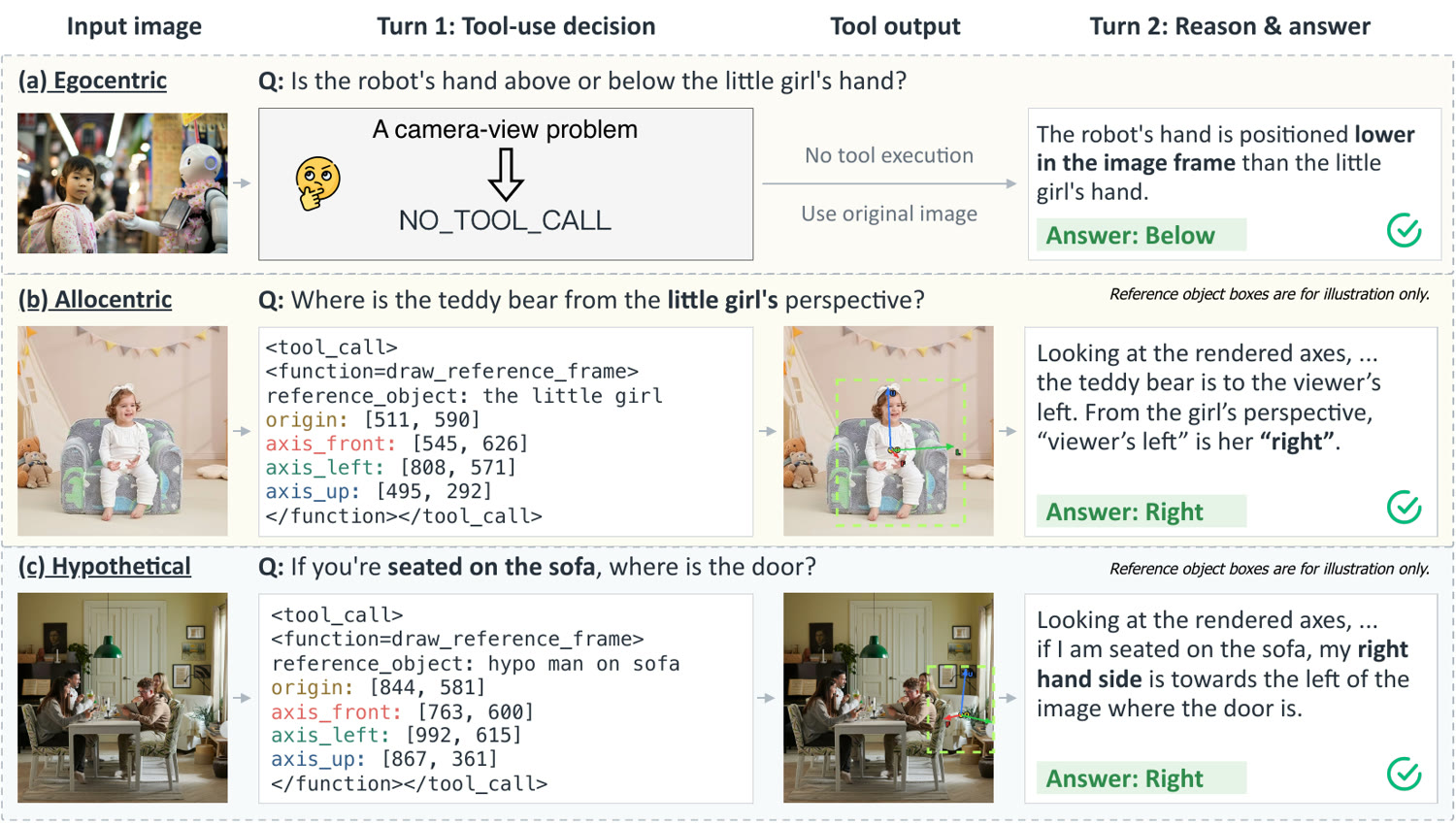
- Controllable generative modeling — video generation (RAVE, ShotAdapter, Split-then-Merge), gaze generation (DiffEye, ST-DiffEye), inverse imaging (EPS, ISNAS-DIP), and efficient tokenization (BudgetPix)
- Safe generative modeling — adversarial attacks and defenses for diffusion models (DiffVax, Immune2V)
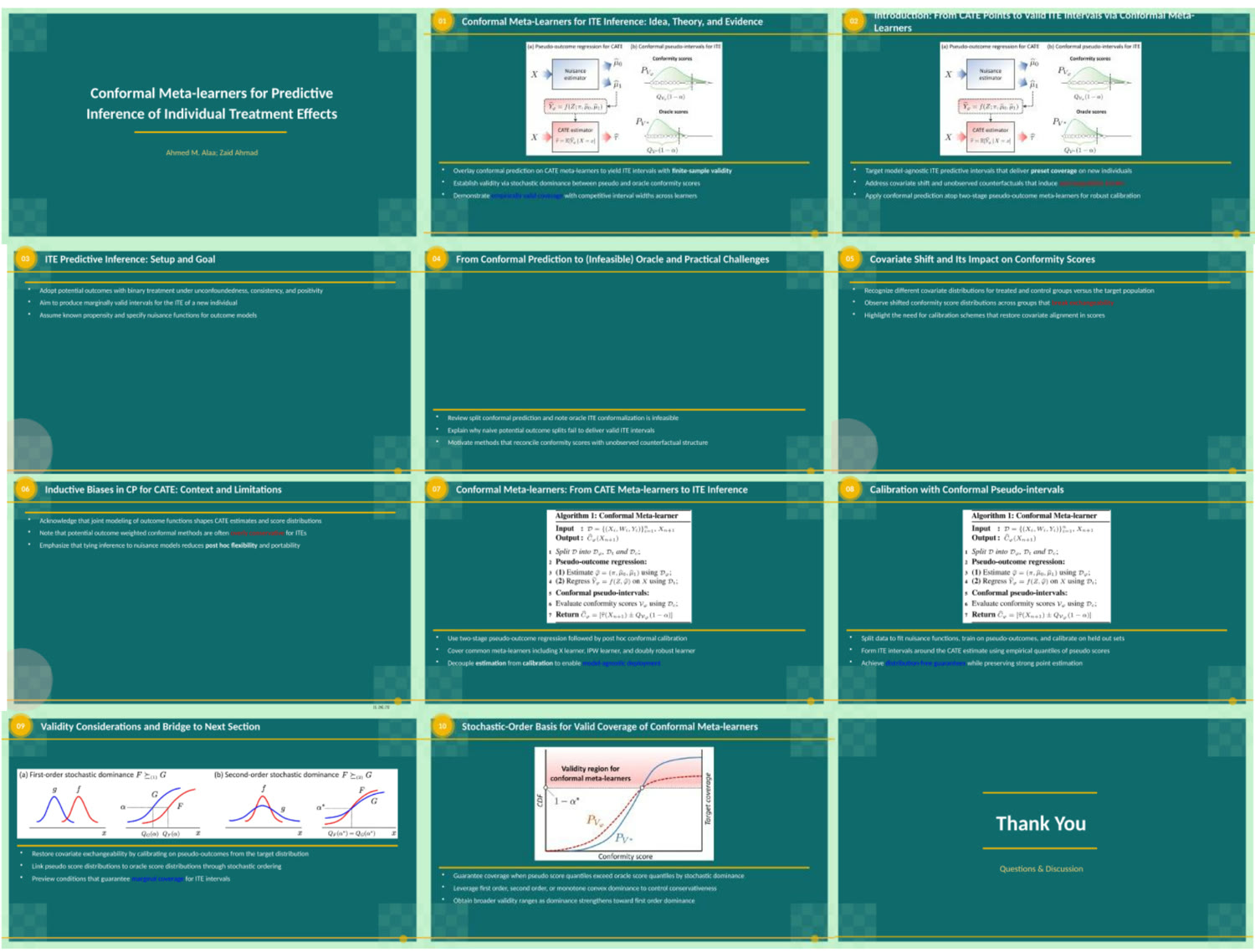
- Multi-modal generative modeling — agentic multi-modal slide generation (ArcDeck, ConvDeck)
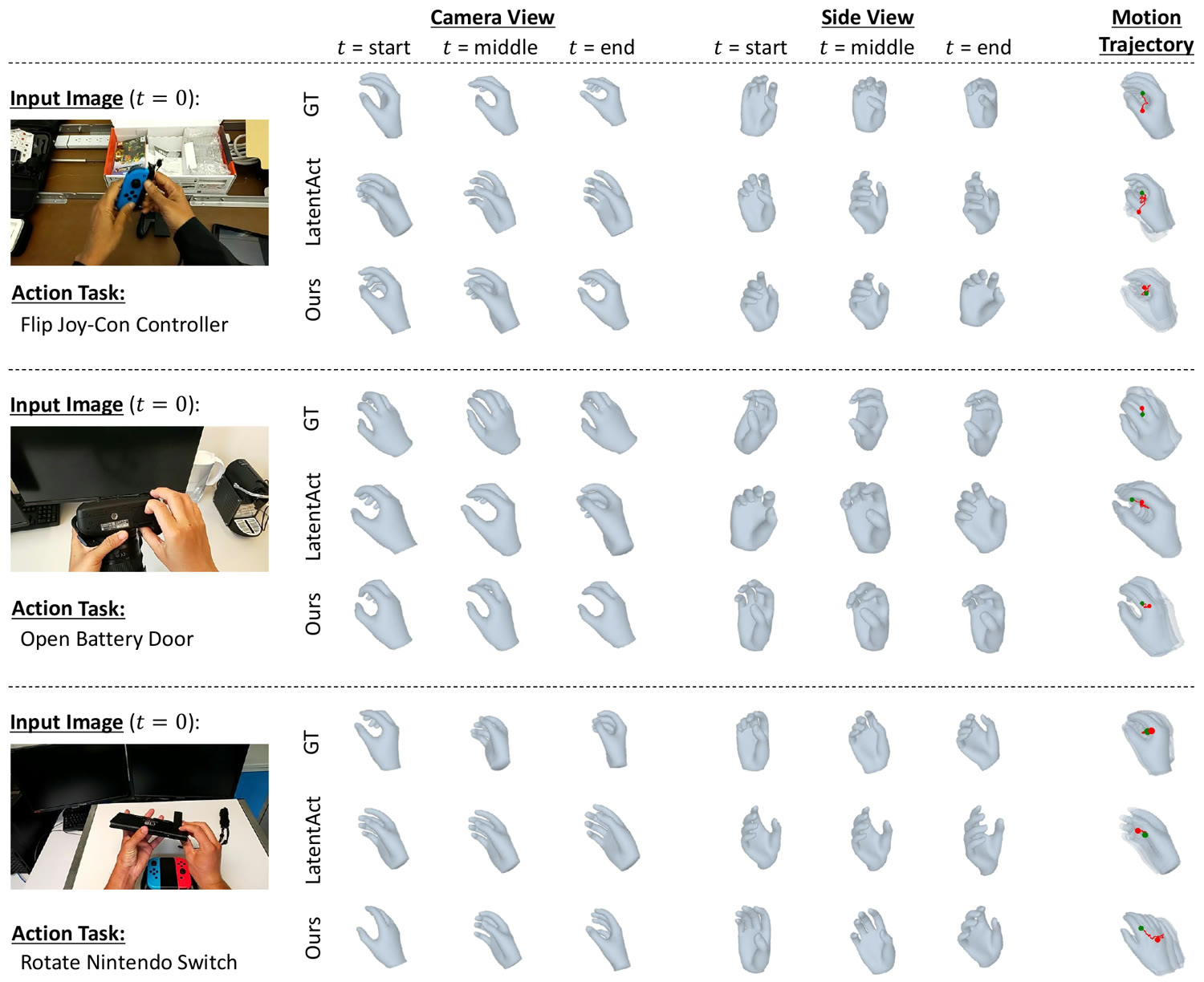
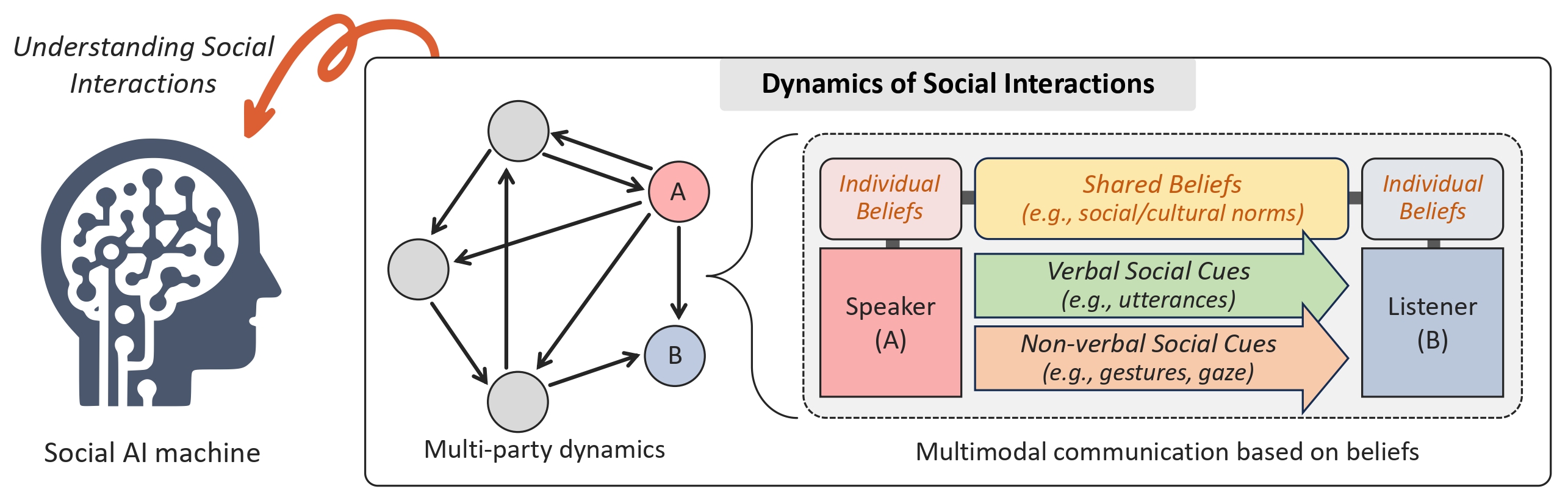
- Visual understanding — 3D and video understanding (CoherentHand), spatial reasoning (LeRF), and affective computing
News— scroll down for more ↓ |
|
|
|








Industry Experience |
||||||
|

Publications (* denotes equal contribution)
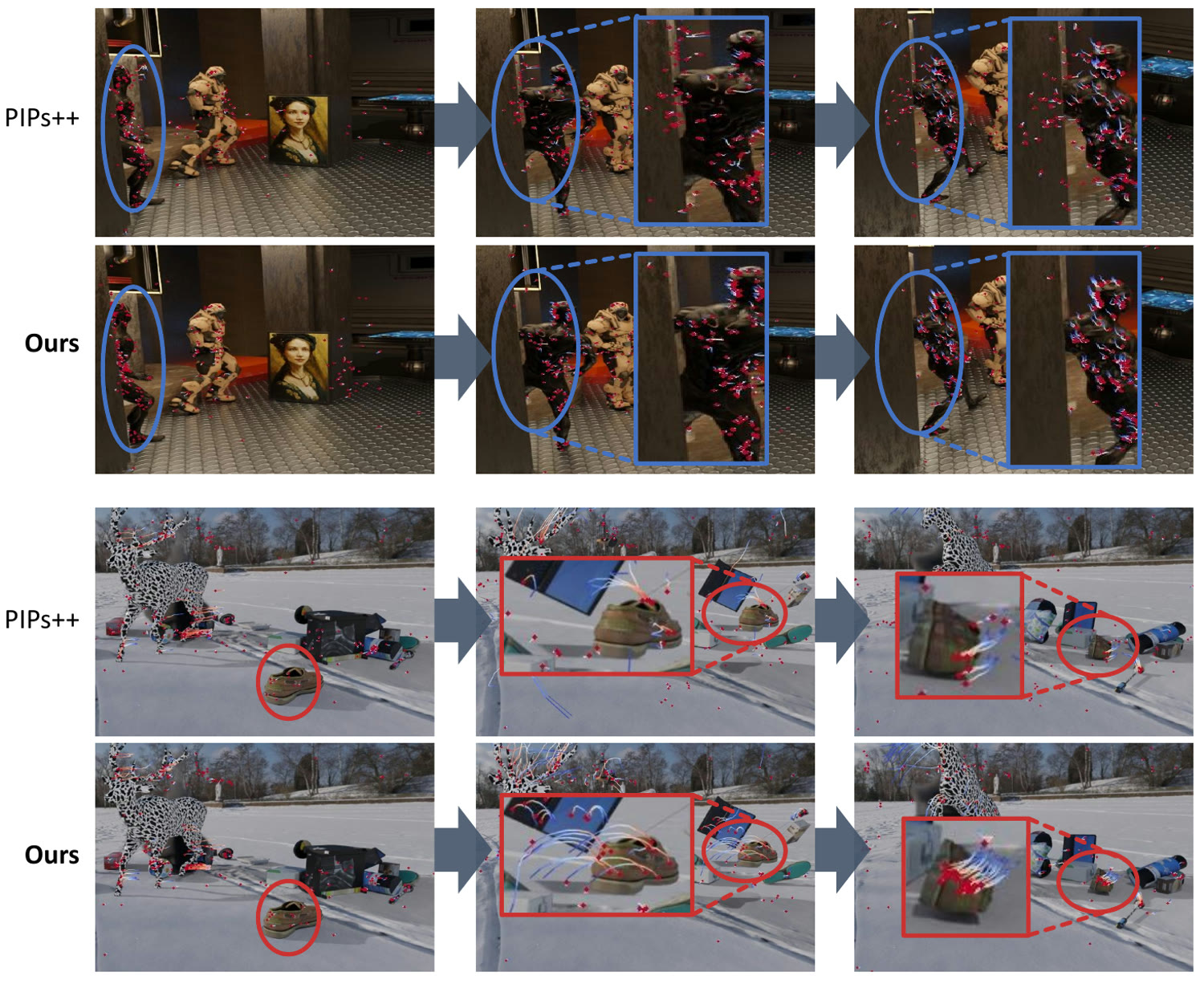
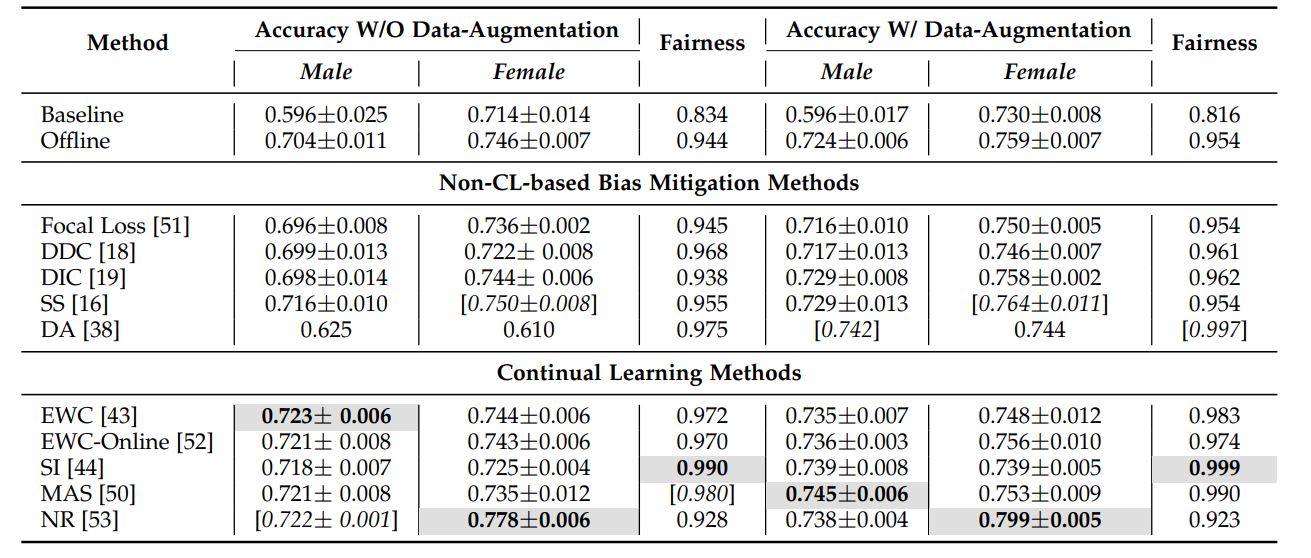
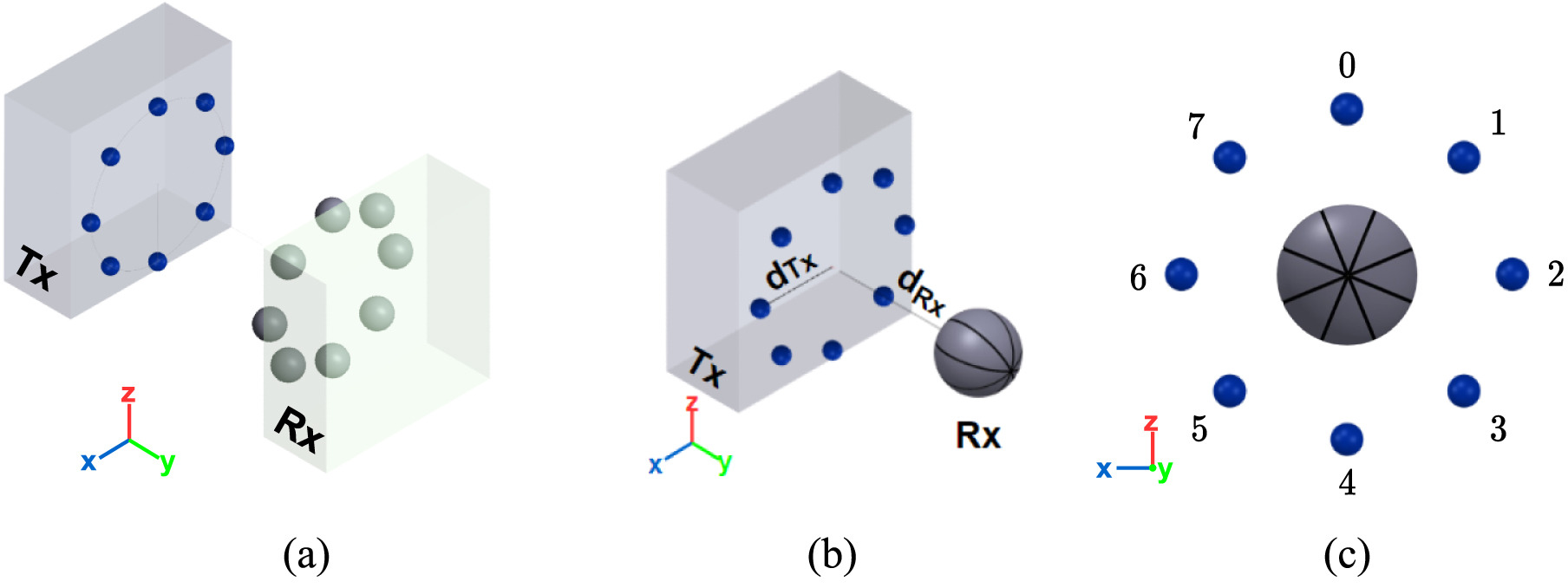
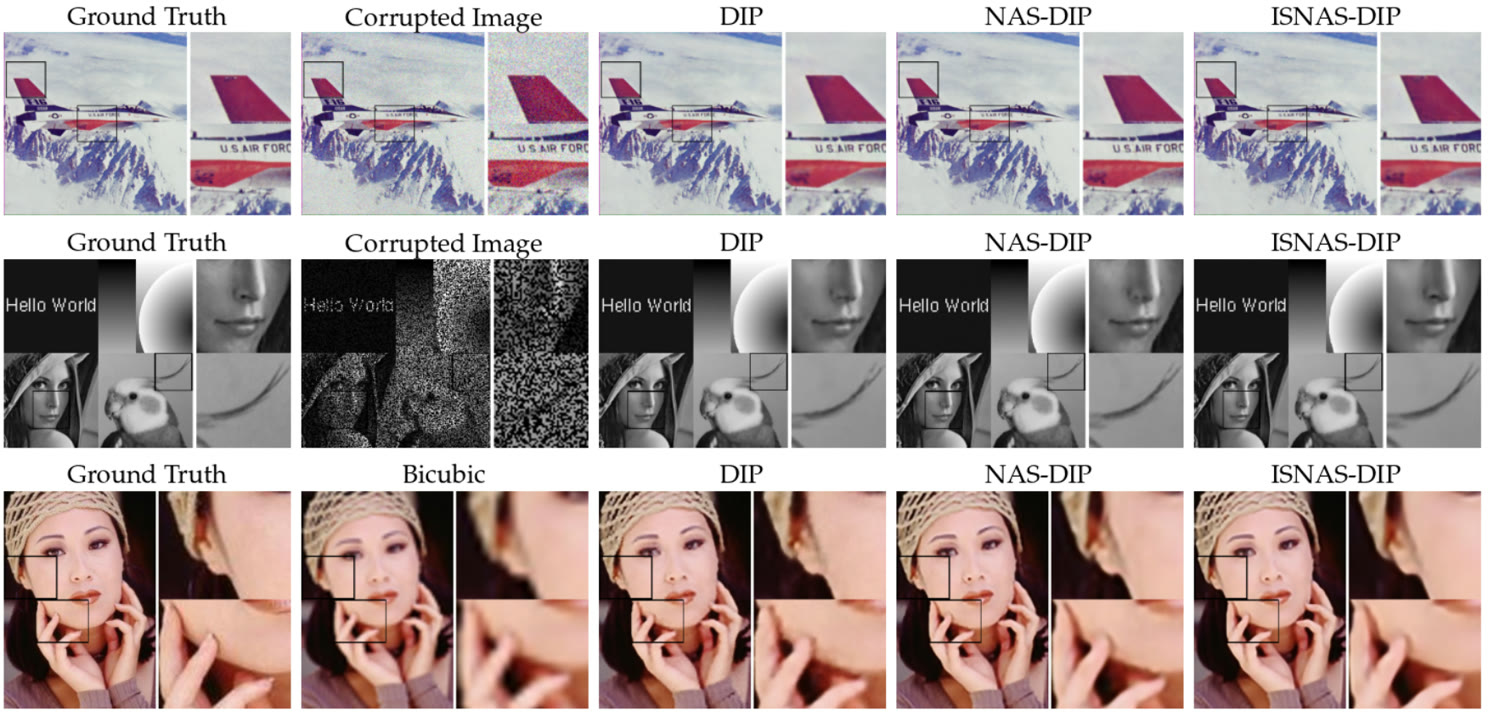
Service & Recognition
Professional Service
- Workshop Organizer: AI for Visual Content Generation, Editing & Understanding (CVEU) — CVPR 2026 (Lead), SIGGRAPH 2025 (Co-organizer), CVPR 2025 (Lead)
- Outstanding Reviewer: ICCV 2025 (top 2%), CVPR 2025 (top 5%), ECCV 2024 (top 10%)
- Program Committee / Reviewer: CVPR 2024–2026, ICCV 2025, ECCV 2024/2026, NeurIPS 2023/2025, ICML 2024, ICLR 2024/2025, AAAI 2025; IEEE Transactions on Affective Computing, ACM Transactions on Graphics
Invited Talks
- Voxel51 Computer Vision Meetup, Visual AI for Video Use Cases 2026
- Google Computer Vision Reading Group, ShotAdapter: Text-to-Multi-Shot Video Generation with Diffusion Models 2025
- UIUC Computer Vision Group Lunch, RAVE: Randomized Noise Shuffling for Fast and Consistent Video Editing with Diffusion Models 2024
- Voxel51 Computer Vision Meetup, GenAI for Video: Diffusion-Based Editing and Generation, [Recording] 2024
- More Than 101, Review of Basic Probability and Introduction to Diffusion Models 2023
Teaching
- CS444 Deep Learning for Computer Vision, UIUC 2026 Spring
- ECE2026 Introduction to Signal Processing, Georgia Institute of Technology 2022 Fall
Mentorship
- Amreen Tejani (UIUC, 1st Year Chemistry Pre-Med) Spring 2026
Synthesizing expert trajectories on medical scans to assist clinical interpretation training. Mentored under the departmental URAP program. - Furkan Horoz (METU, BS CS) Fall 2025-Present
Narrative-driven multi-agentic slide generation (ArcDeck, ECCV 2026; ConvDeck, EMNLP 2026 Findings).
Characterizing adversarial attacks on diffusion modeling. - Emir Kisa (Bogazici University, BS EE) Spring 2026-Present
Generative video transition. Visiting in-person at UIUC during Summer 2026. - Zeqian (Richard) Long (UIUC, BS CS) Spring 2025 - Spring 2026
Adversarial attacks on video diffusion models (Immune2V). - Aditya Ved, Nalin Kundu (UIUC, BS CS) Spring 2025
Developed deepfake prevention mobile app (URSA, Awarded 1st Place in Research Symposium). - Miguel Aenlle (UIUC, BS CS) Fall 2024 - Fall 2025
Google Summer of Code (GSoC) 2025 Contributor. Real-time video editing mobile app (URSA). - Tarik Can Ozden (Bogazici University BS CS → UIUC MS CS) Spring 2024-Present
Immunization model against deepfake attacks (DiffVax, ICLR 2026).
Narrative-driven multi-agentic slide generation (ArcDeck, ECCV 2026; ConvDeck, EMNLP 2026 Findings). - Peter Guan (UIUC, BS CS) Fall 2024
Real-time video editing mobile app (URSA). - Sarper Yurtseven (YTU BS Maths. → Polimi MS Comp. Maths.) Summer 2024
Google Summer of Code (GSoC) 2024 Contributor. Universal controller diffusion models. - Ioannis Valasakis (King's College London, PhD) Summer 2023
Google Summer of Code (GSoC) 2023 Contributor. - Mehul Sinha (Manipal University, B.Tech → MS CS @ USC) Summer 2022
Google Summer of Code (GSoC) 2022 Contributor.
Scholarships
- UIUC CS PhD Fellowship Addendum 2024-2026
- Georgia Tech ECE Departmental Fellowship 2022-2024
- Georgia Tech Otto F. and Jenny H. Krauss Fellowship 2022-2023
- Summer@EPFL Fully Funded Summer Internship Program 2022
- 2205 TUBITAK Undergraduate Scholarship Holder 2022
- Outstanding Success Scholarship Holder from Turkish Educational Foundation (TEV). 2019-2022
- 2247-C TUBITAK Research Internship Scholarship 2021-2022
Awards & Achievements
- Served as a mentor in the Google Summer of Code program. 2022-2025
- Attended the 2023 International Computer Vision Summer School (ICVSS), ranked among the top 25% of 614 applicants (approximately 154 individuals), [Project] 2023
- Participated in the CIMPA Research School on Graph Structure and Complex Network Analysis. 2023
- Attended the highly competitive Summer@EPFL program, with a 2% acceptance rate. 2022
- Placed among the top 50 teams worldwide in the Google Developer’s Solution Challenge, selected from over 5,000 teams, [Project] 2022
- Placed 3rd in the Yildiz Bootcamp and was directly invited to the Yildiz Technopark Pre-Incubation Program. 2022
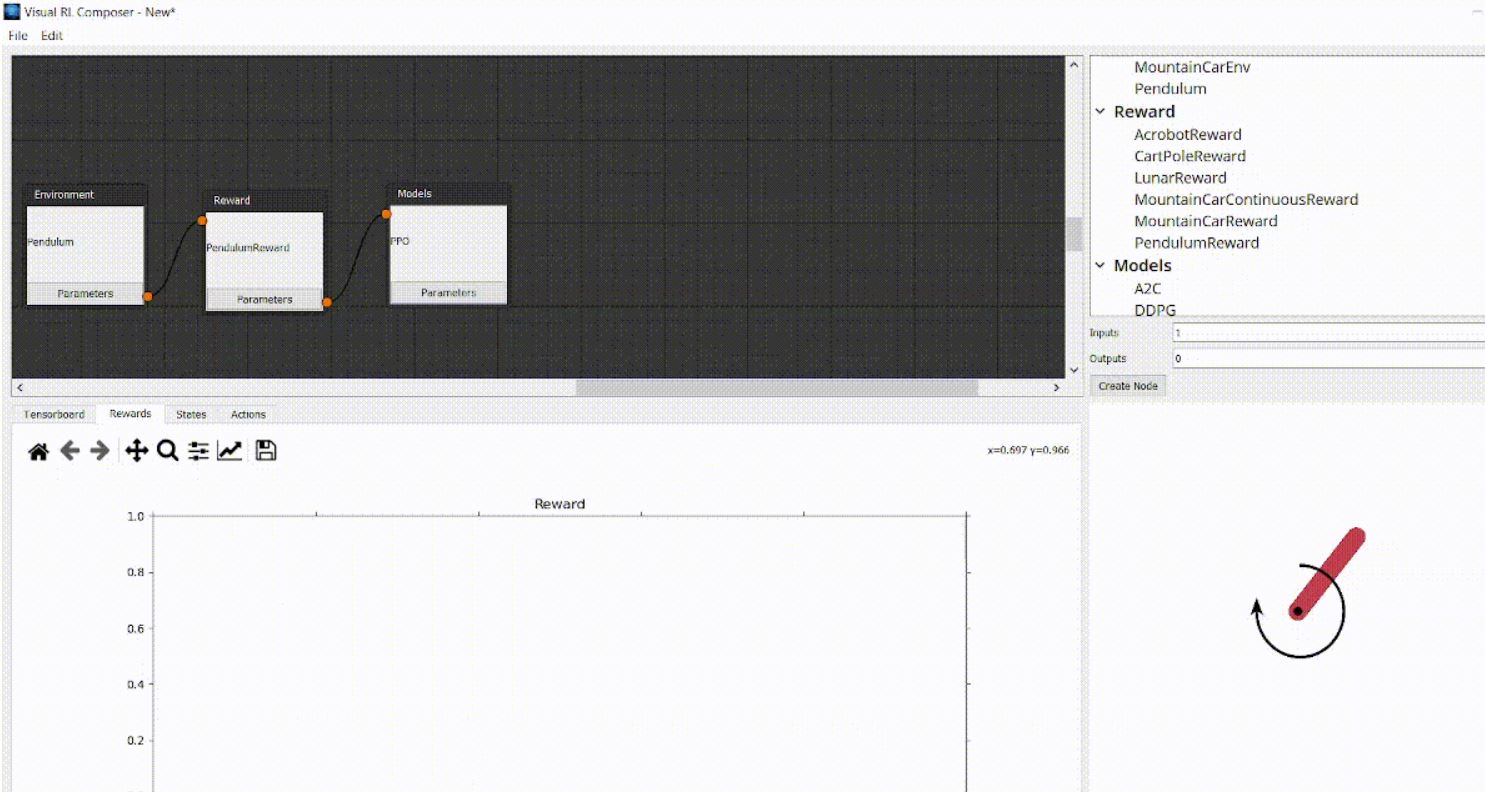
- Successfully completed Google Summer of Code with the project "Graphical User Interface for OpenAI Gym," selected among 1,205 students from 6,991 applicants (17% acceptance rate), [Project] 2021
- Placed 3rd out of 172 projects (top 1.7%) in the TUBITAK Undergraduate Research Project Competition. 2021
- Ranked among the top 10 teams regionwide in the Google Solution Challenge with the project titled "Torch in Darkness." 2020
- Placed 1st out of 100 projects (top 1%) in the TUBITAK Undergraduate Research Project Competition for the project "Joint Depth Estimation and Object Detection Software," [Project] 2020
- Placed 3rd out of 15 projects (top 20%) in the IEEE METU Pixery Hackathon with the project "Mobile Application for Blind People," [Project] 2020
- Finalist among 81 teams in the Turkish Airlines Travel Datathon. 2019
- Ranked 180th out of 2 million (top 0.009%) in the Turkish National University Entrance Exam. 2018
- Received the Republic Honour Award at Kadikoy Anadolu High School, awarded to one student out of 340 annually. 2018
- Placed 3rd nationwide in the TUBITAK High School Research Project Competition for the project "Drone for Landmine Detection Using GPS," [Project] 2018
- Placed 1st regionwide in the TUBITAK High School Research Project Competition for the project "An Autonomous Hexapod for Helping Search Teams After Earthquake," [Project] 2017
- Accepted into the CS Bridge program, a two-week programming course led by Stanford TAs. 2016
|
This website is adapted from this source code. |